Are you Keeping it Geekly? 2.25.26 Newsletter
We are landing on Ghost.io as our new platform for my future endeavors. Or at least until I find something that is free. The newsletter was delayed as I scoured the internet for a suitable alternative, but honestly, it feels like this is the only option unless I start a website.
That still may be in the cards, but for now, starting is the most important factor. Plenty of work was still happening behind the scenes while the newsletter was on hold. I know it may not be as fast as some may like, but slow and steady wins the race.
Since we found a platform to continue working on, I am opening up submissions for Web Comic Previews, Comic Previews, and Written Interviews. At the moment, these three will be my focal point, but Reviews are still in the works.
The Pareto Principle, or 80/20 rule, states that roughly 80% of outcomes (results) come from 20% of causes (inputs)
Recent Interview
We recently sat down with Richard Fairgray on 2/24 to chat about STARF***CKER and catch up. Richard is known for works such as BLACK SAND BEACH, BLASTOSAURUS, GORILLAS IN OUR MIDST + much more!
STAR***CKER is tinged with magic and an ethereal detachment. It follows an ageless being of pure inspiration that faces celebrity & mortality. The campaign runs until March 13th and features Richard's unique approach to interiors. It really feels he outdoes himself with every new comic he drops . You can check it out here!
Upcoming Interview
We will be sitting down with our good friend John Kissee on Friday 27th, @ 11 AM EST to chat about Doctor Rigby: Tales From the Deep and much more!
John has been such a huge help to the channel, with redesigning a rebrand and more. John is not only a writer & illustrator, but also a fantastic designer!
Doctor Rigby visits a demonic mermaid, battles a parking lot full of vampires, boards a haunted house ride from hell, solves a sea monster mystery, and learns the meaning of existence! You can pick it up here!
Tools of the Trade - Travis James
- Comic Book Colorist
- Current work includes Inheritance #1

Keeping it Geekly -What are some of the important fundamentals and principles to learn when becoming a colorist?
Travis James - This is a really big can of worms. There are so many things that could be said for this. I would say the most important thing If I had to single any one thing out, is work on colour theory. Understand what colours contrast each other, how to use cool lighting to make things seem farther away and warm lighting closer. One thing that helps is a colour wheel, you can get cheap little colour wheels keychains online that are easy to have on your desk without taking up a lot of space.
The second thing I would say, would be when working with your lighting work on your shadows. I cant even take credit for this one. I saw a video clip some time ago, of an oil painter talking about her university art professor drilling into them, that the more work you do on your shadows, the more you work them in, the more your lighting will pop off the canvas.

KiG - Can you explain your process of adding color to pencils? What does the collaborative process normally look like for a colorist?
TJ - Well the process could change slightly depending on whether or not you get the page directly from the penciler, or if you get it from an inker. If it came from an inker, I would give the page a cursory inspection to make sure nothing needed to be adjusted. If it came from one artist doing pencils and inks both, I would take a harder look at things to make sure line weights and such are good, as one of the main functions of an inker (other than enhancing a penciler art), is to function like the art equivalent of a proofreader, and correct/adjust any mistakes. Like for example if a page had Hawkeye or Green Arrow on it with their bow drawn, but there wasn't enough flex in the bow and it was too straight, needing to be re-drawn.
Barring that, the first thing would be, make a backup copy of the image file to start. I typically make the back up copy, and then go in, and set up my page with a background page on one layer (typically blank white like paper) and have the inks on a separate layer, with both locked so as to not be adjusted by accident. I’ll duplicate the inks layer, and label it something like “ink layer base” and adjust the inks to be 2-3 pixels larger in surface area all around, to sit behind the flat colours once I start.
Once the page is set up, thats when I start in on flatting the page. Adding the base colours without any shading. How you go about doing this is up to the artist. Personally,not to I prefer to use the lasso tool fill with anti aliasing turned off to get a more precise fill than simply dragging and dropping colours. When choosing colours, it’s important to review the script for any notes from the writer to give an idea of the mood and the setting (so as to not start colouring the page in bright colours for what should be a nighttime scene, for example). You should also make yourself familiar with the characters, how are they coloured and portrayed in other books. What colour is their costume for example, what colour is their hair or their eyes when they are out of costume.
This is really where the collaborative process comes in, because as the colourist you have to continue the story started by the writer and the penciler and the inker (if one is used). It has to all come together in a cohesive whole, so you really have to look at what the others have done, and what their intent is. Most importantly, if you have questions…ASK THEM! Its a team effort!
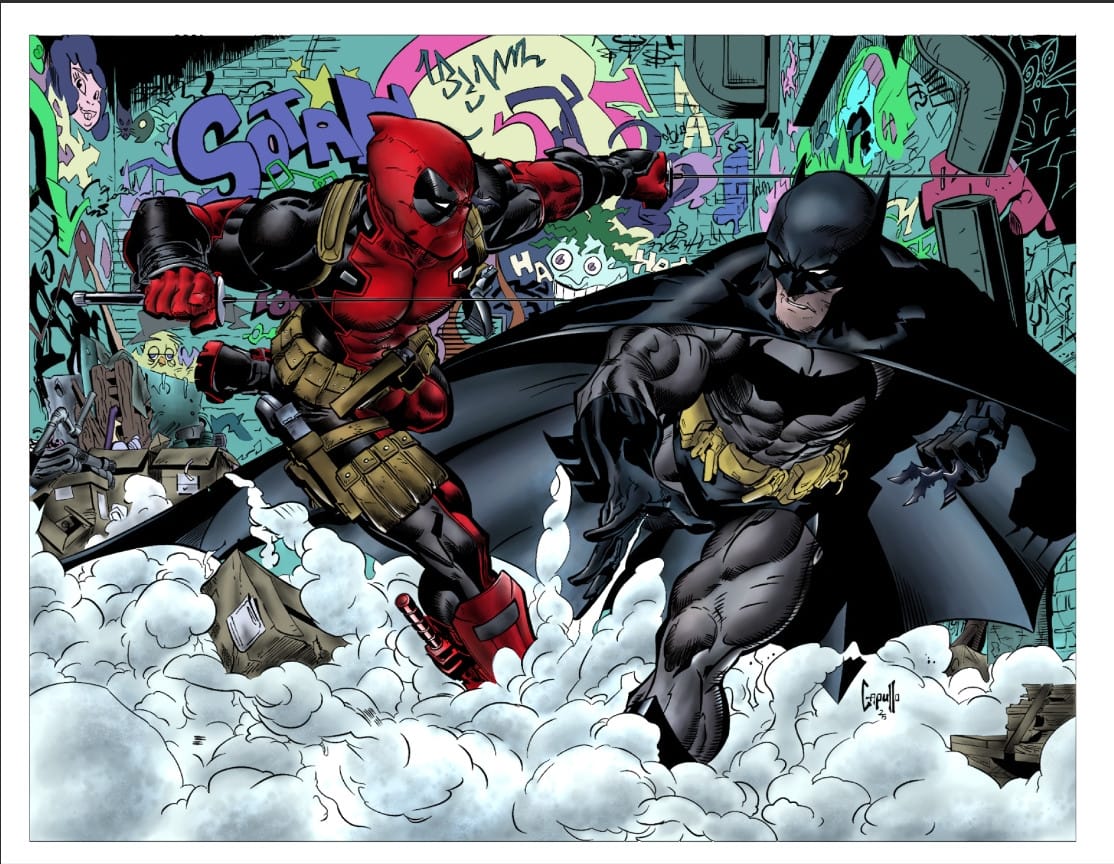
KiG - Do you have any particular exercises or routines that you like to do to help you sharpen your skills as a colorist?
TJ - Well, Scot Eaton has referred to me as a workhorse because I’ve always got something on the go. I read a lot, there are some great books out there on colour that have some great information. “The DC Comics Guide to Coloring and Lettering Comics” by March Chiarello and Todd Klein is a great resource, even though it is a bit dated, referring to what are now quite old versions of Photoshop. I personally use ClipStudioPaint for colouring digitally, but the tools are very very similar, and the concepts are still very sound.
Admittedly, I do not learn well by watching videos, so most of my progress is by trial and error. I try to do smaller pieces, like portraits, or headshots, busts etc to practice different things, or play around with different brushes. Smaller pieces that can be completed relatively quickly. If I don't have a piece I like thats already inked and ready to go, I’ll usually do the inks for the piece digitally to save the time of printing it out on bristol and scanning physical inks.
When I start on a piece, I try to think about what I want to work on with it. How many layers of shadow do i want to limit myself to, how many layers of light. Or perhaps its trying a new brush, or a new way to use gradients, something new to try with colour holds etc.
When doing a piece for practice, try to set limits for yourself, don't try to do too much all at once. Athletes don't practice every single thing they can do all at once every single practice, so why should artists? They focus on one skill at a time, to get the most out of their training. Artists should do the same!
You can find all of Travis' social media links here!
Here is his portfolio.
Inheritance #1 is currently live on Kickstarter until March 12th.
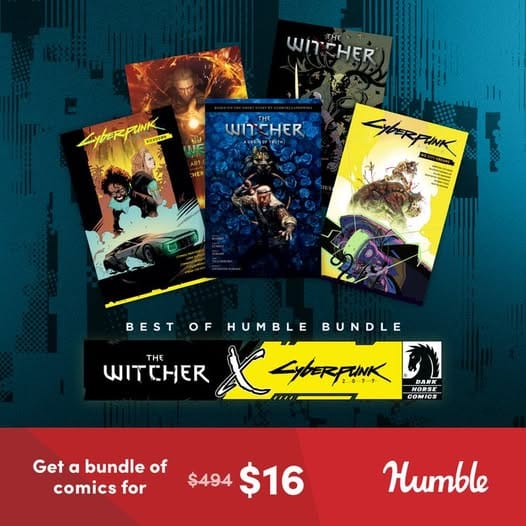
Witchers and Netrunners, prepare yourselves!! Dark Horse Comics dropped a new bundle over on Humble, diving deep into both universes.
Pay $5 for 9 items or $16 for the whole 28-item bundle.
Best of all, you are supporting Special Effect, a UK-based charity dedicated to helping ALL people with disabilities enjoy video games!
What I am Reading
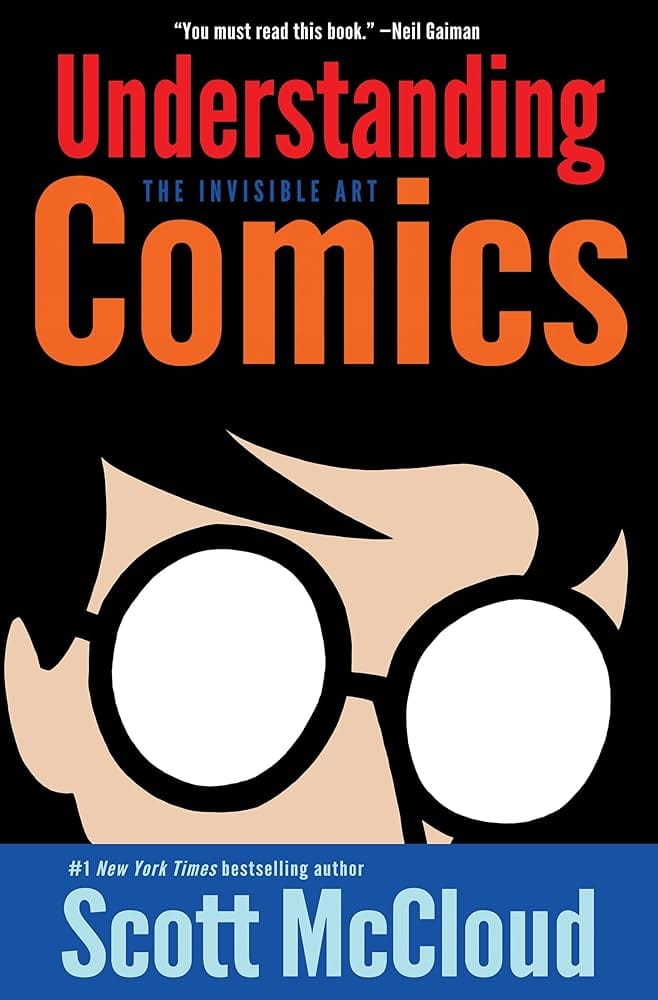
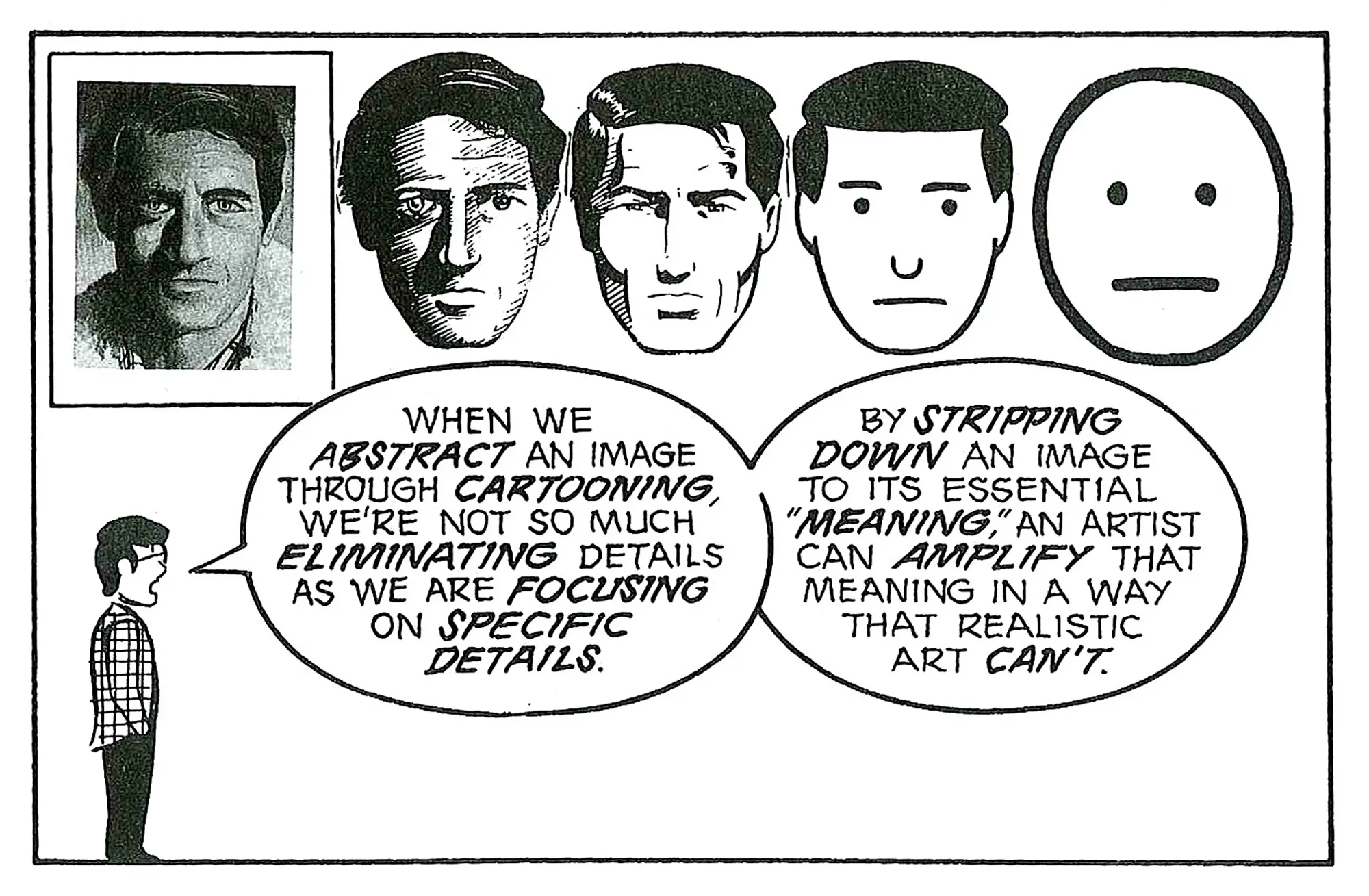
I recently finished reading How to Analyze & Review Comics, and after a poll on social media it looks like Understanding Comics by Scott McCloud is next. I am always excited to further my education within the Comic Industry, not only to elevate my interviews but also to provide a stronger journalistic effort.
The Chainsaw Man Vol 20 is set to drop on March 3rd, and I am excited to dive back into the Absolute Batman series. I am hoping that once everything settles, I can start reading more.
Knowledge is power, or some shit - Tai Lopez
What I am Playing
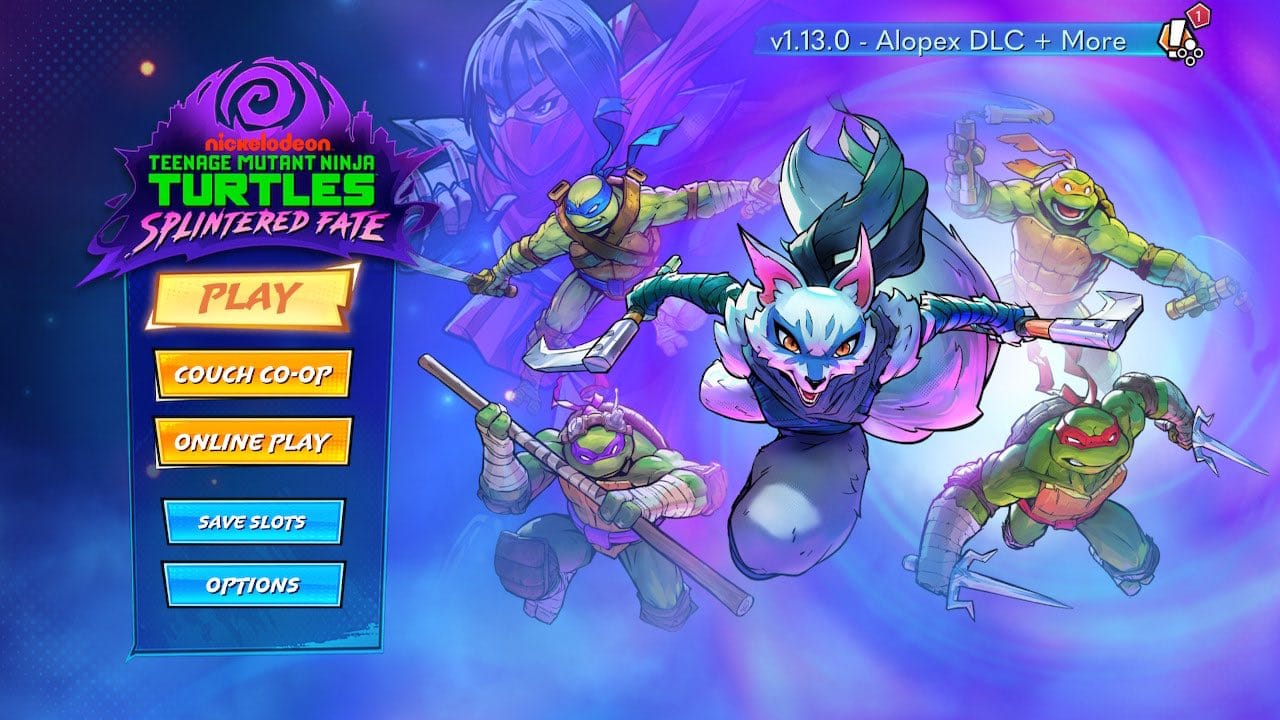
My daughter and I recently beat Teenage Mutant Ninja Turtles: Splintered Fate, or at least unlocked the gauntlets and boss challenges. It was really rewarding, considering we only played it in snippets. Each run held a lot more weight with the roguelike aspect, and after taking down The Shredder (Oroku Saki), we were excited to dive into everything we unlocked.
The Alopex DLC just dropped, and her character is a lot of fun to play. The pack includes 5 artifacts to modify runs with.

I can't be the only one who was hyped when Diablo II dropped the Warlock Class. The first new playable class to be added to Diablo II in 25 years, god it's depressing to say that outloud. I was excited for some QoL updates, such as the Stash Tabs, Loot Filters, and more.
The class itself is really fun, with the Warlock specializing in 3 skill trees: Eldritch Weapons, Demons, and Chaos. They can levitate two-handed weapons with one hand as a passive ability as well.
At $24.99, it's a pretty high price point. The sale that includes the base game + DLC will be the biggest bang for your buck.
Already own Diablo II: Resurrected? Purchase the Reign of the Warlock DLC to unlock:
- Diablo II: Resurrected - Reign of the Warlock
- Diablo IV: Forbidden Tethers Back Trophy
- Diablo IV: Kervek the Putrid Pet
- World of Warcraft: Horadric Cube Housing Decor
- 2 Stash Tabs
- 2 Character Slots
Thank you for being the best part of Keeping it Geekly. Subscribing and sharing my Ghost is a FREE and great way to support what I do!
To buy me a coffee, feel free to hit up my Ko-fi - https://ko-fi.com/keepingitgeekly
Check out my Linktree for a listing of all of my social media platforms to stay up to date - https://linktr.ee/keepingitgeekly